
The healthcare system in the United States can be described as organizations formed to meet the overall health needs of society. Moreover, healthcare is regarded as one of the leading cause in promoting the psychological, physical, and well-being of society. A reform in the healthcare sector is a concern to voters in the U.S (Kumar et al., 2011). Besides, the aging population, the complexity of illness, and the increasing cost of healthcare require the government to develop a new approach to the ‘health care system.’ However, there is still a large population that has no insurance coverage in the U.S, and this is an issue in the healthcare delivery system. Moreover, the country’s health system is impacted by environmental concerns, socioeconomic status, and social determinants (Kumar et al., 2011). The healthcare system ought to change to improve the country’s health and works to address the invalid growth of health costs in the U.S. Furthermore, some individuals are experiencing difficulties while accessing healthcare services; this implies that the individual’s needs are not met within the healthcare system.
The ‘U.S. healthcare system’ is a critical aspect of the country’s economy and state policy. Furthermore, the healthcare system has been described as the most costly globally, yet it has also been considered as the least efficient in comparison to other nations. The increase in healthcare-related costs in the United States has made many people be susceptible since most of them cannot afford the healthcare services, and this limits them from accessing quality healthcare services. Some of the main aspects of the healthcare-related costs are compensation policies, consumer behavior; institutionalized medical activities, and technology-stimulated costs (Sabbatini et al., 2014). The healthcare system in the U.S. is exceptional among the advanced industrialized nations. The U.S. lacks a common healthcare coverage or a standardized health system; however, it has enacted legislation that mandates healthcare coverage for most of its citizens; the system can be termed as a ‘hybrid healthcare system.’
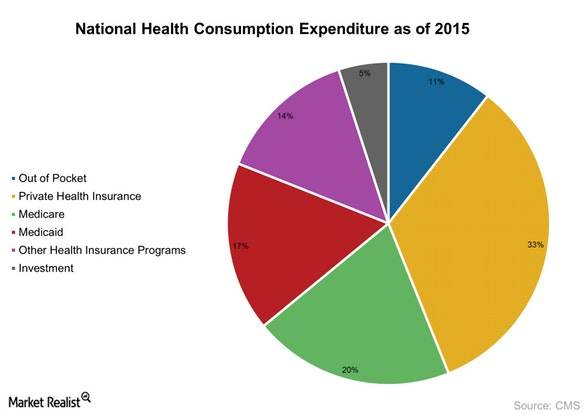
A hybrid system
The US healthcare system is unique in the developed world because it does not have a uniform system or universal coverage. According to Emanuel, the US healthcare system—before the introduction of the ACA—was inefficient and was focused on treating chronic diseases while not being proactive or helping people take care of their overall health.
According to Emanuel, costs are currently the major concern in the US healthcare system. Healthcare inflation should be in line with the growth in the GDP, but growth in healthcare spending rose to about 5% in 2015—much higher than GDP growth in 2015. Some of the key considerations and challenges of the current US healthcare system, according to Emanuel, include the following:
- the alternative payment model, which includes the medical homes like accountable care organizations and bundled payments, shifting focus toward reducing costs and improving quality in healthcare
- maintaining overall health, thereby helping bend the cost curve, as the less chronic sickness means lower cost
- controlling high drug costs, which are currently about 17%–20% of total healthcare cost
National health spending is projected to increase at an average rate of 5.6% per year between 2016 and 2025 and 4.7% per year on a per-capita basis.
 Effectiveness of the U.S Healthcare System